Cisco’s open-source platform for network data analytics for Big Data called PNDA is now available on GitHub. Developers can find the source-code repositories and sub-projects for it. PNDA aggregates data like logs, metrics and network telemetry, and the goal of this platform is to remove the complexity of combining technologies into an end-to-end solution. The … continue reading
LexisNexis is a provider of legal, government, business and high-tech information sources. The group is also responsible for HPCC Systems (High Performance Computer Cluster), a massive, open-source parallel-processing computing platform for the world of Big Data. It’s also made its way into this week’s featured GitHub project. The Big Data tool was open-sourced in 2011 … continue reading

Imagine if someone had come up to your cubicle in 1980 and asked about preserving your company’s software for the long term as a museum exhibit. What if they’d asked you to make that code available to the world, like a book in a library? What if they used the term “Antique Software?” More than … continue reading
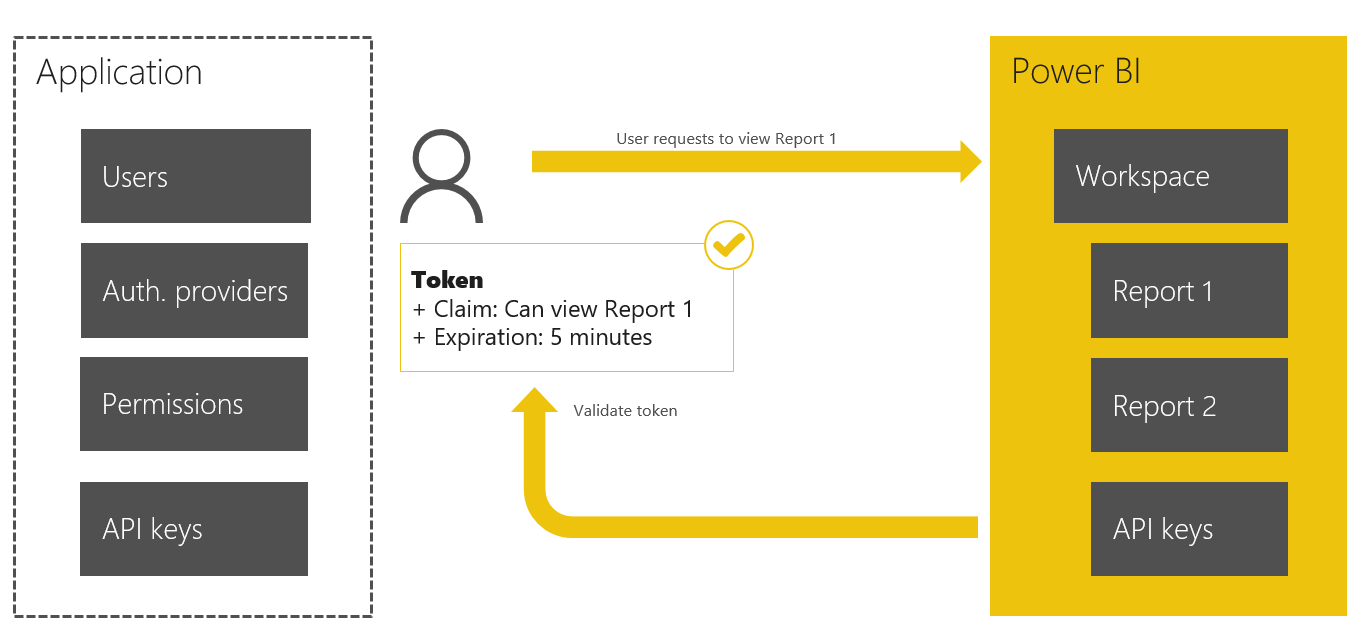
Microsoft customers will be able to use their data in combination with new updates and capabilities, such as the introduction of Microsoft Dynamics 365, Microsoft AppSource, and Power BI Embedded. Announced yesterday, Microsoft Dynamics 365 moves Microsoft’s current CRM and ERP cloud solutions into a single cloud service, including apps that are useful for business … continue reading

Last year at its Worldwide Developers Conference, Apple announced a low-energy, high-performance compression algorithm to its developers. The LZFSE compression library and command-line tool reference implementation are now available on GitHub under Apple’s own license. The code was originally released on GitHub 19 days ago. LZFSE was specifically designed to save energy on portable devices. … continue reading

Bug-finding software can determine if there are potential vulnerabilities in computer programs, but there is no way to figure out how many go unnoticed. Researchers at the New York University Tandon School of Engineering collaborated with the MIT Lincoln Laboratory and Northeastern University to take a new approach to this problem. The technique intentionally adds … continue reading

BlackBerry has finally decided to part ways with the BlackBerry Classic, the company’s iconic keyboard device. According to the company, while the smartphone has been part of the BlackBerry portfolio for many years, it has run its course and can no longer keep up with today’s market. The company will now focus its efforts on … continue reading
DBmaestro, the pioneer and leading provider of DevOps for Database solutions, announced today the release of an expanded and improved open application programming interface (API) for DBmaestro TeamWork. Software vendor partners and customers can now integrate with DBmaestro TeamWork in minutes instead of hours and the expanded functionality allows for considerably more capabilities. DBmaestro TeamWork already … continue reading
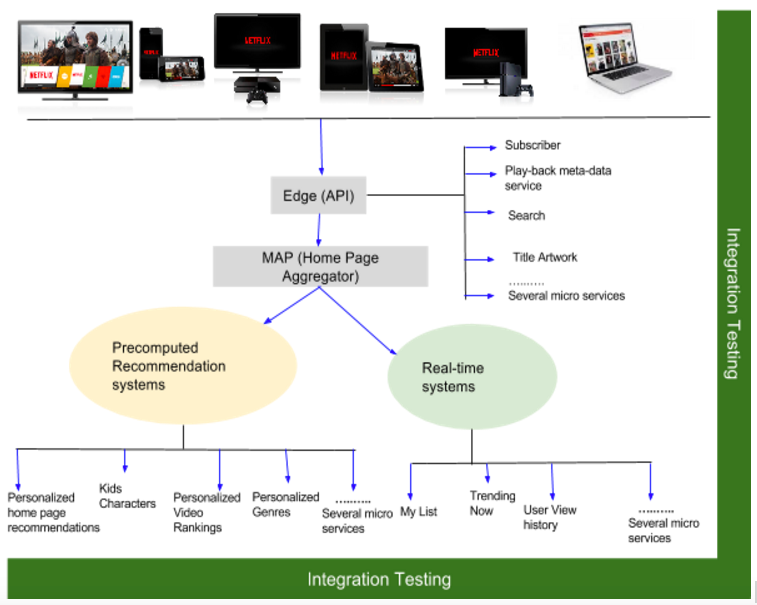
With top-rated shows like “Orange is the New Black” or “House of Cards,” Netflix needs to have a well-versed integration test team to make sure each of its 80 million users are getting a great experience. With such a fast-paced environment, challenges are sure to come to the surface. Netflix’s product engineering integration test team … continue reading
C++17 is rolling along at a fast pace. As of June 30, the proposed set of features for the language revision is complete. That was also the day the C++17 committee held its final features meeting in Oulu, Finland, the result of which includes changes that will be available as add-ons for compilers. One of … continue reading
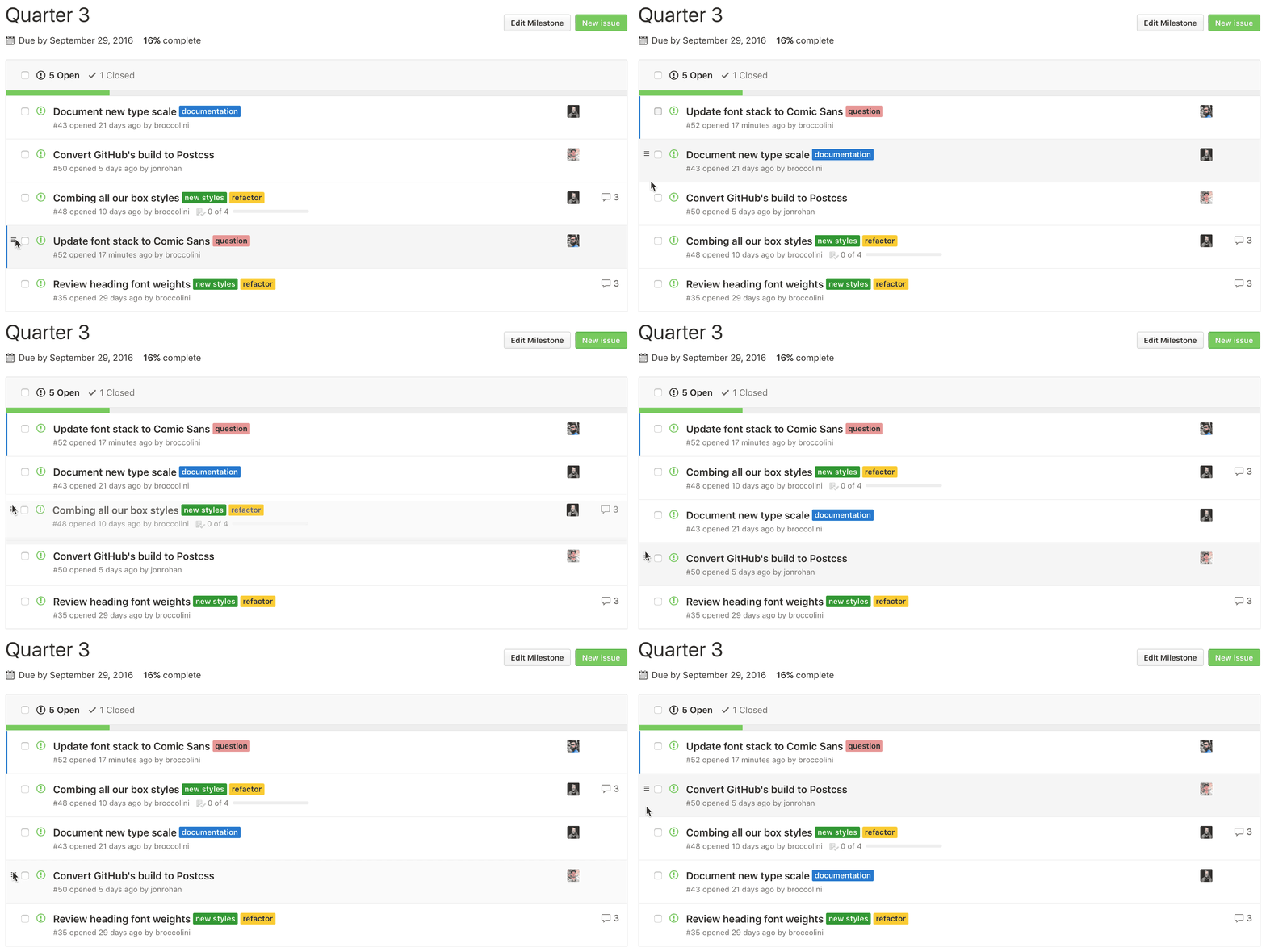
At GitHub, developers can now reorder issues and pull requests, and indicate priority by moving them higher or lower down their list. For developers, this is an easy way to indicate which milestones or labels in GitHub a teammate should focus on first. After a developer has grouped issues and pull requests within a milestone, they … continue reading

Traditional relational databases, the powerhouse of software applications since the 1980s, work well when your data is predictable and fits well into tables, columns, rows, and wherever queries are not very join-intensive. But there are rich, connected domains all around us that relational software isn’t so well equipped at dealing with. Relational database-management systems (RDBMS) … continue reading