In some ways, open source in 2014 meant more than it ever had in years prior. Where once Linux was the primary standard-bearer of open source in the enterprise, in 2014 there were too many gigantic open-source projects appealing to enterprises that it’s difficult to pick just one to hold up as the model for … continue reading

Rumors have floated around for months that Microsoft was finally thinking of dropping the Internet Explorer name. The latest rumors, sources reportedly told ZDNet’s Mary Jo Foley, go a step further. When Windows 10 ships in 2015, sources say, in addition to IE the OS will sport an entirely new browser, codenamed Spartan. Rather than … continue reading

Happy Almost 2015, GitHubbers! To cap off the year in GitHub, we have the Top 5 projects of the month of December. I wanted to do the Top 5 of 2014, but alas the GitHub trending feature doesn’t have a yearly time span option. #1: io.js, the month’s most popular project providing evented I/O for … continue reading

Normally an article about a programming language and framework that both have been with us for more than a decade would be anything but a page-turner. When it comes to C# and .NET, it turns out there’s a big story to tell, including things that could spell another decade of that language (and maybe even … continue reading
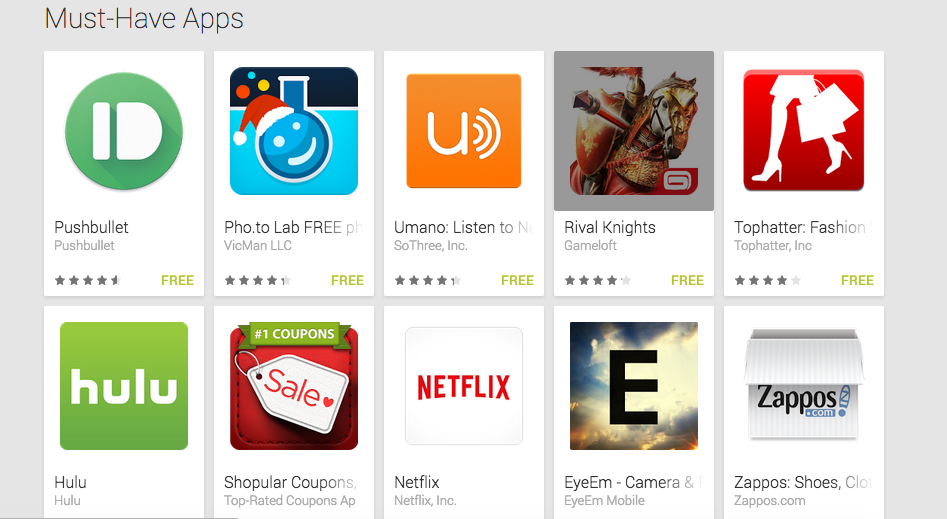
Google released a list of its must-have Android apps, rattling off 127 of the most highly recommended and highest rated apps in the Google Play Store. The apps, most of them free, range from popular favorites including Netflix, Shazam and Spotify to mobile applications with fast-growing user bases such as Quip, Pushbullet and Lumosity. Google’s full … continue reading

For all its surface frenzy, 2014 was a year in which the biggest news stories in the programming language community were about acknowledging reality and bowing to the inevitable. First, there was Java 8. For Java developers, this release is the most important since before the turn of the century—probably the most important release since … continue reading

Being a software tester is no easy feat, especially when technology is constantly changing. In the past, when testers had to assess an application, they didn’t have to worry a whole lot about different operating systems, devices or screen sizes, according to Joe Schulz, director of mobile testing at Orasi. “We have lots of different … continue reading

In 2014, “mobile” evolved into a more widely unified and interconnected concept. The last several years have seen smartphones, tablets and mobile apps take control of how we consume and compute information, redefining how we communicate with each other. A train with that much momentum doesn’t stop when the market reaches its peak; it barrels … continue reading

Software-defined networks and Network Functions Virtualization will redefine enterprise computing and change the dynamics of the cloud. Data thefts and professional hacks will grow, and development teams will shift their focus from adding new features to hardening against attacks. Those are two of my predictions for 2015. Big Security: As 2014 came to a close, … continue reading
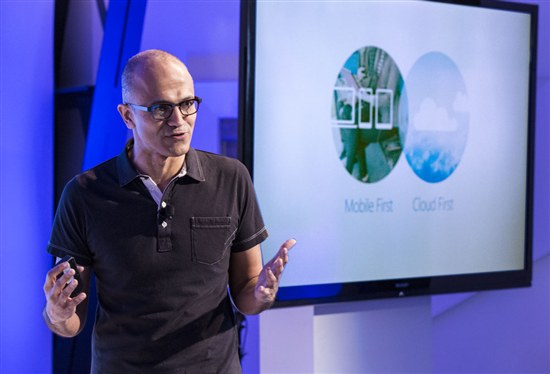
A change at the top, followed by a clearly defined focus, with an all-out embrace of open technologies and an increased update release cycle. Throw in a further commitment to consumer devices for good measure. One could argue that 2014 was the year of Microsoft. Or, at least, the year it remade itself. But it … continue reading

In 2014, the selection of cloud platforms and services was more plentiful than ever before, and it saw countless partnerships and integrations to tie them all together. Cloud users and developers are dropping eggs in many different baskets, be it Amazon Web Services, Microsoft Azure, Google Cloud Platform, IBM Cloud or open-source platforms such as … continue reading

When the term “application life cycle” was first introduced, there was no knowledge or even any practice of agile development or Continuous Delivery (CD); there were no wearables, and mobile phones were dramatically different than what they are today. What used to suggest a beginning to an end to a program’s life evolved into this … continue reading